
- New Keshalpur, Nichitpur, Katras
- nhrc.dhn@gmail.com
- +91 7480961234
- +91 7480961234
- nhrc.dhn@gmail.com
Rheumatology
Expert Joint & Arthritis Care Services
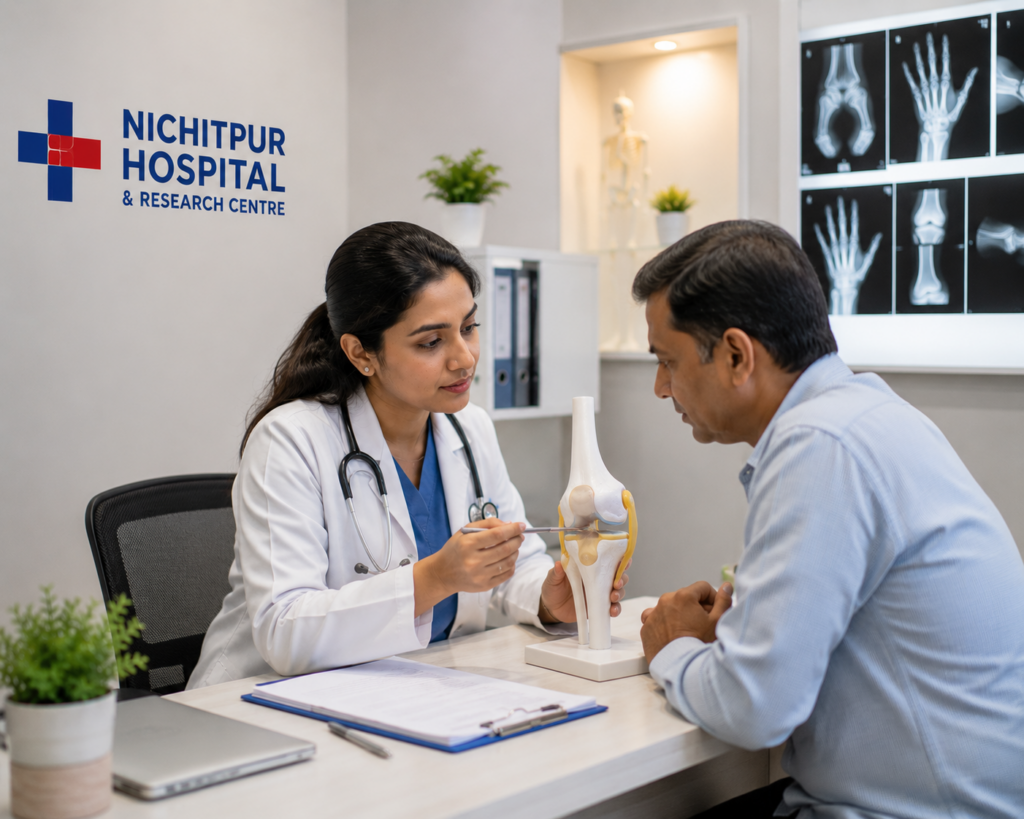
At NICHITPUR HOSPITAL & RESEARCH CENTRE, our Rheumatology services focus on the diagnosis and management of conditions affecting the joints, muscles, bones, and immune system. We provide care for arthritis, joint pain, swelling, stiffness, and other rheumatic conditions that can affect everyday activities. Our approach begins with understanding the patient’s symptoms, medical history, and individual needs before planning appropriate treatment and follow-up. We aim to provide comfortable, personalized, and timely care to help patients manage their condition effectively. With proper guidance and regular monitoring, our team supports patients in maintaining mobility, reducing discomfort, and improving their overall quality of life.
Rheumatology
Rheumatology is the branch of medicine focused on diagnosing and treating disorders of the joints, muscles, and connective tissues. Rheumatologists specialize in autoimmune and inflammatory diseases that often cause chronic pain, stiffness, and swelling. Common conditions managed by rheumatologists include rheumatoid arthritis, osteoarthritis, lupus, gout, ankylosing spondylitis, and fibromyalgia. These diseases can affect not only the joints but also other organs like the heart, lungs, kidneys, and skin.
Rheumatologists use a combination of medical history, physical exams, blood tests, and imaging studies like X-rays and MRIs to diagnose rheumatic diseases. Blood tests may check for markers of inflammation, such as rheumatoid factor or anti-nuclear antibodies, which help identify autoimmune conditions. Early diagnosis and intervention are key in preventing long-term joint damage and disability.
Treatment often involves medications like nonsteroidal anti-inflammatory drugs (NSAIDs), corticosteroids, disease-modifying antirheumatic drugs (DMARDs), and biologics that target the immune system. Physical therapy and lifestyle modifications, including exercise and diet, are also crucial in managing symptoms and improving mobility.
Rheumatologists aim to relieve pain, reduce inflammation, and improve quality of life for patients with chronic, often lifelong conditions. Their care focuses on long-term management, helping patients maintain function and prevent disease progression.